WinSpirit Payment Methods
 Available in AU
Contents
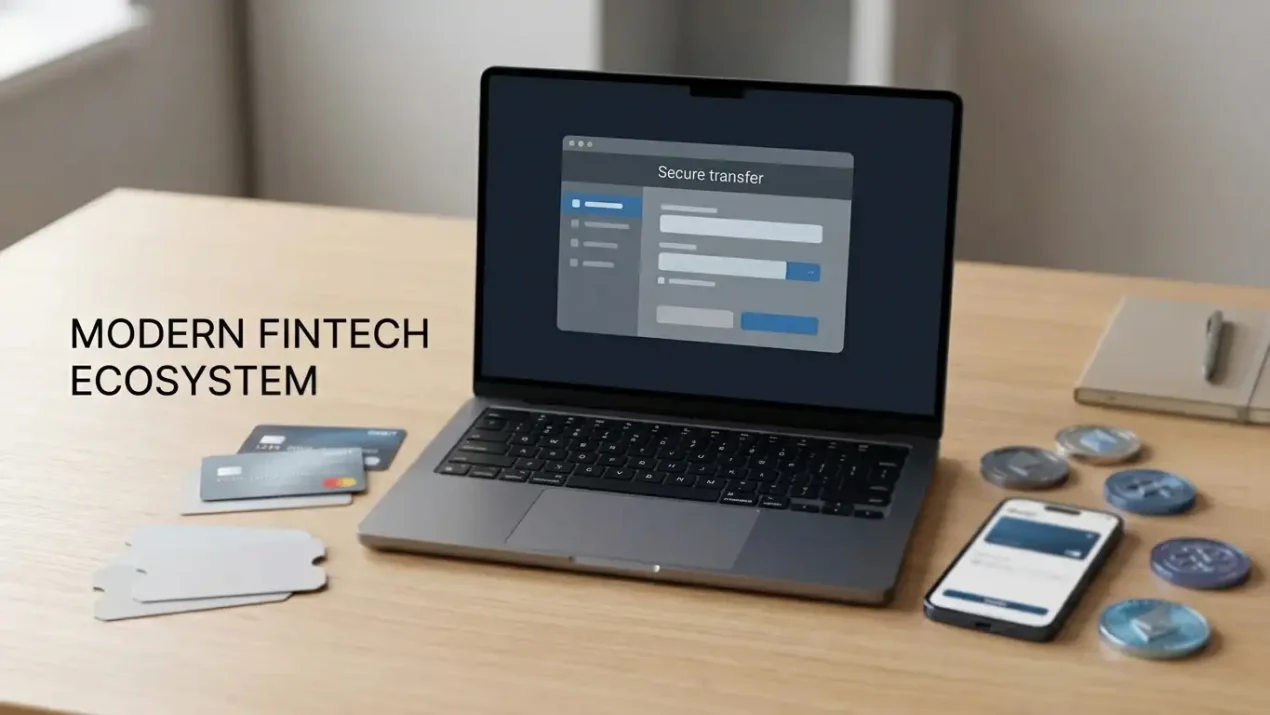
WinSpirit publishes a hybrid cashier that combines familiar fiat rails with a broad set of crypto assets. The useful comparison is not simply card versus crypto; it is how each method family changes the steps, information checks and risks around a transfer. The methods described below are WinSpirit’s published global cashier set and are not presented as payment methods available to Australian players.
Crypto assets in the published WinSpirit cashier
The crypto list spans several kinds of assets rather than one single payment rail. WinSpirit publishes Solana (SOL), Bitcoin (BTC), Ethereum (ETH), Bitcoin Cash (BCH), XRP, Dai (DAI), Litecoin (LTC), Tether (USDT), USD Coin (USDC), Dogecoin (DOGE), TRX and a BNB or Binance-labelled crypto option.
That breadth creates a practical distinction between choosing an asset and choosing transfer details. An asset name alone does not tell you every network or address format that may appear in a cashier. Before authorising any crypto transfer, the destination asset, address and network shown in the payment flow need to match the wallet being used. A mismatch can be difficult or impossible to reverse.
| Coin | Network | Min Dep | Min WD | Speed | Fee |
|---|---|---|---|---|---|
| Solana (SOL) | Confirm in payment flow | — | — | — | — |
| Bitcoin (BTC) | Confirm in payment flow | — | — | — | — |
| Ethereum (ETH) | Confirm in payment flow | — | — | — | — |
| Bitcoin Cash (BCH) | Confirm in payment flow | — | — | — | — |
| XRP | Confirm in payment flow | — | — | — | — |
| Dai (DAI) | Confirm in payment flow | — | — | — | — |
| Litecoin (LTC) | Confirm in payment flow | — | — | — | — |
| Tether (USDT) | Confirm in payment flow | — | — | — | — |
| USD Coin (USDC) | Confirm in payment flow | — | — | — | — |
| Dogecoin (DOGE) | Confirm in payment flow | — | — | — | — |
| TRX | Confirm in payment flow | — | — | — | — |
| BNB / Binance-labelled option | Confirm in payment flow | — | — | — | — |
Minimums, withdrawal limits, processing times and fee amounts can materially affect a transaction, but they are separate from the method names themselves. The table therefore keeps the published asset list distinct from transaction-specific terms.
A practical crypto check before sending
- Match the exact asset shown in the destination request.
- Match the destination network and address format before authorising the transfer.
- Check whether a tag or memo is required for the destination.
- Review wallet and network charges separately from any casino-side terms.
- Recheck the destination because crypto transfers can be irreversible.
Fiat methods cover cards, vouchers and payment services
The published fiat set includes Visa, Mastercard, Inpay, Flexepin, CashToCode eVoucher, CashToCode Classic, MiFinity and Neosurf. These names fall into different operational families even though they all sit on the fiat side of the cashier.
Visa and Mastercard are card rails. Flexepin, CashToCode and Neosurf are voucher or prepaid-style methods. MiFinity works as a payment-service or wallet-like rail, while Inpay is a separate payment service. The practical difference is where value is held and which party handles the transfer before it reaches the casino cashier.
| Method family | WinSpirit examples | What changes for the user |
|---|---|---|
| Cards | Visa, Mastercard | Payment details are entered through a card flow; issuer controls and card-level checks may also apply. |
| Voucher / prepaid style | Flexepin, CashToCode eVoucher, CashToCode Classic, Neosurf | Value is typically represented by a voucher or prepaid mechanism rather than a direct bank-card transaction. |
| Payment service | MiFinity, Inpay | An additional payment layer sits between the user and the casino cashier. |
| Crypto assets | BTC, ETH, SOL, USDT, USDC and others | Wallet addresses, network compatibility, price movement and irreversibility become part of the payment decision. |
The important point is that method names do not automatically tell you the same things. A card logo says little about withdrawal routing. A voucher name does not tell you whether a withdrawal can return through the same channel. A crypto ticker does not by itself identify the supported network. Those details belong to the transaction flow and should be checked before money is moved.
Price movement and network costs change crypto value
Crypto introduces two costs that do not behave like a fixed card charge: market movement and network fees. If the fiat-equivalent value of an asset changes while funds are being moved, the value received later can be higher or lower even when the number of coins has not changed. Network fees can also reduce the amount that arrives or the amount left after moving funds again.
A simple scenario shows the mechanics. Imagine A$500 worth of crypto at the start. If A$5 is spent on an inbound network cost, the working value becomes A$495. If the asset then falls 10%, that becomes A$445.50 before any outbound transfer cost. A further A$5 outbound cost leaves A$440.50. Those numbers are only a reader scenario; they are not WinSpirit fees, rates or a prediction of market movement.
The hub’s crypto value movement check lets you vary that kind of scenario yourself. The calculation is useful because it isolates the exposure created by price movement and transfer costs without suggesting whether anyone should deposit, withdraw or buy crypto.
- Stable-value assets: assets such as USDT or USDC are designed around a stable reference value, but transfer costs and asset-specific risks still remain.
- Volatile assets: BTC, ETH, SOL and similar assets can move materially in fiat-equivalent value while held or transferred.
- Network cost: a blockchain fee is separate from the market value of the asset and may vary with network conditions.
- Irreversibility: a valid blockchain transfer generally cannot be recalled in the way a conventional payment dispute may be handled.
Why not treat a crypto payment as just another currency conversion?
Because a crypto transfer adds address and network compatibility to the value question. The asset can change in price, and a technically valid transfer to an incorrect destination can be irreversible.
Cashier practice matters more than the length of the method list
A long payment list is useful only when each transaction is checked at the point of use. The most practical habit is to separate four questions: what asset or method is being used, where the funds are going, what terms apply to that transaction, and what account checks may be triggered.
WinSpirit publishes a KYC procedure that can require identity, address and payment details or documents before full account or withdrawal functions are available. That means payment preparation and account preparation can intersect. The account and KYC guide covers the document and support side in more detail.
Payment choice should also remain separate from game choice. A method that feels familiar does not change the mathematics of a slot or the pace of a live table. The WinSpirit games guide looks at game categories, core providers, RNG wording and live dealer coverage without mixing those product questions into cashier mechanics.
Before authorising a transaction
- Read the selected payment method or asset exactly as displayed.
- For crypto, match the address, network and any required memo or tag.
- Review the transaction-specific minimum, fee and processing information shown in the live flow.
- Keep account details accurate so payment and identity information do not conflict.
- For crypto, allow for price movement and network costs in your own budgeting.
Common questions about WinSpirit payment methods
Which fiat payment methods does WinSpirit publish?
The published cashier set includes Visa, Mastercard, Inpay, Flexepin, CashToCode eVoucher, CashToCode Classic, MiFinity and Neosurf.
Which crypto assets appear in WinSpirit's published cashier set?
The published set includes SOL, BTC, ETH, BCH, XRP, DAI, LTC, USDT, USDC, DOGE, TRX and a BNB or Binance-labelled crypto option.
Are the listed payment methods presented as available to Australian players?
No. They describe WinSpirit's published global cashier set and are not presented as payment methods available to Australian players.
Why does network selection matter for crypto transfers?
A crypto transfer must use compatible transfer details. Sending an asset through the wrong network or to the wrong address can be irreversible, so the destination details should be checked before a transfer is authorised.
What is the main difference between fiat and crypto payment methods?
Fiat rails mainly differ by payment intermediary and account flow. Crypto adds wallet addresses, network compatibility, price movement and transaction irreversibility to the transfer process.
The payment choice is really a transfer-choice problem
WinSpirit’s published cashier spans cards, vouchers, payment services and a wide range of crypto assets. The strongest way to compare them is by transfer mechanics rather than by counting logos: fiat methods differ in who handles the payment, while crypto adds network compatibility, price movement and irreversible-transfer risk. Keeping those mechanics separate from account checks and game selection makes the payment decision clearer without attaching unsupported limits, speeds or fees to the brand.
This material was created by the WinSpirit Guide team.
Related posts
WinSpirit Mobile and PWA Access

WinSpirit License and Australian Legal Status